

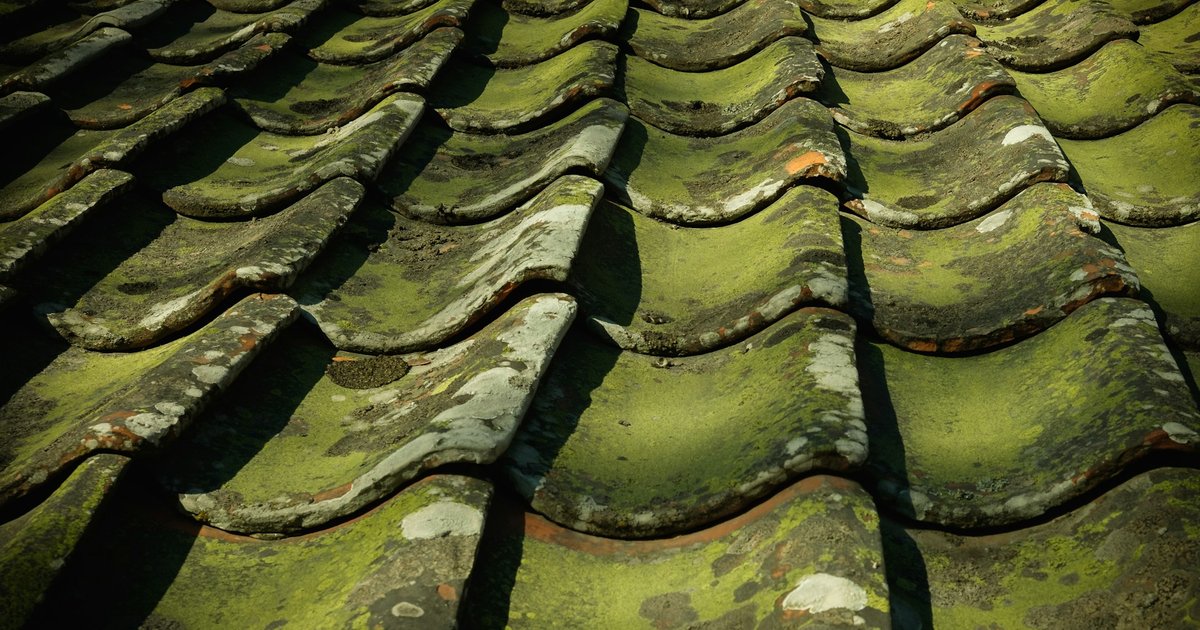
February tends to reveal whatever winter has quietly left behind on your roof. In Nottingham, that often means moss. It’s easy to miss until it grows thick around chimneys or pushes its way beneath tiles. Damp Midlands weather gives moss a head start, and if we wait until spring, those soft green patches can turn into bigger problems.
Moss removal is a simple way for homeowners to clear things up before damage spreads. Even light build-up traps moisture and starts breaking down tiles and mortar over time. Too much moss can stop rainwater from running off like it should, which leads to leaks later. Getting on top of it now helps your roof hold up better when the real rain returns in March.
What moss does to your roof over time
Moss isn’t just a surface issue. It grabs hold where moisture hangs around and doesn’t let go:
- Moss holds water against tiles, which can cause them to soften, crack or shift
- When frost hits wet, moss-covered roofs, small cracks grow fast through freeze–thaw
- Slipped tiles and broken ridge lines often start where thick moss has lifted edges or filled gaps
Beyond physical damage, a moss-covered roof is often less efficient — it struggles to keep warmth in during the colder months, and more energy ends up escaping through the top of the house. When moss is left alone for months, its roots dig under tiles, slowly prying them up and making spots where water can get in.
Common signs it’s time to remove moss
You might not see the early signs from ground level, but there are clues worth watching for:
- Dark green streaks or clumps forming at ridges or around chimney stacks
- Tiles starting to look misaligned or pushed up slightly
- Overflow from hidden moss causing gutter blockages
- Musty smells in the loft or damp streaks on rafters
If you notice patches inside that look darker after rain, or if the loft feels harder to keep dry, it may be time to check the roof closely for moss. Loose pieces of tile or tiny fragments of moss scattered on the ground after a windy day are also signs the roof is starting to shed what it no longer holds well.
How moss removal works without pressure damage
We have been asked many times why we do not use pressure washers. The answer is simple: roof tiles, especially older ones you see around Nottingham, were not made to take that kind of force. Instead, moss removal starts gently:
- We use hand tools to lift away thicker growth carefully without snapping tiles
- Next, we clean the roof using soft washing or steam cleaning, which removes remaining residue without driving water where it shouldn’t go
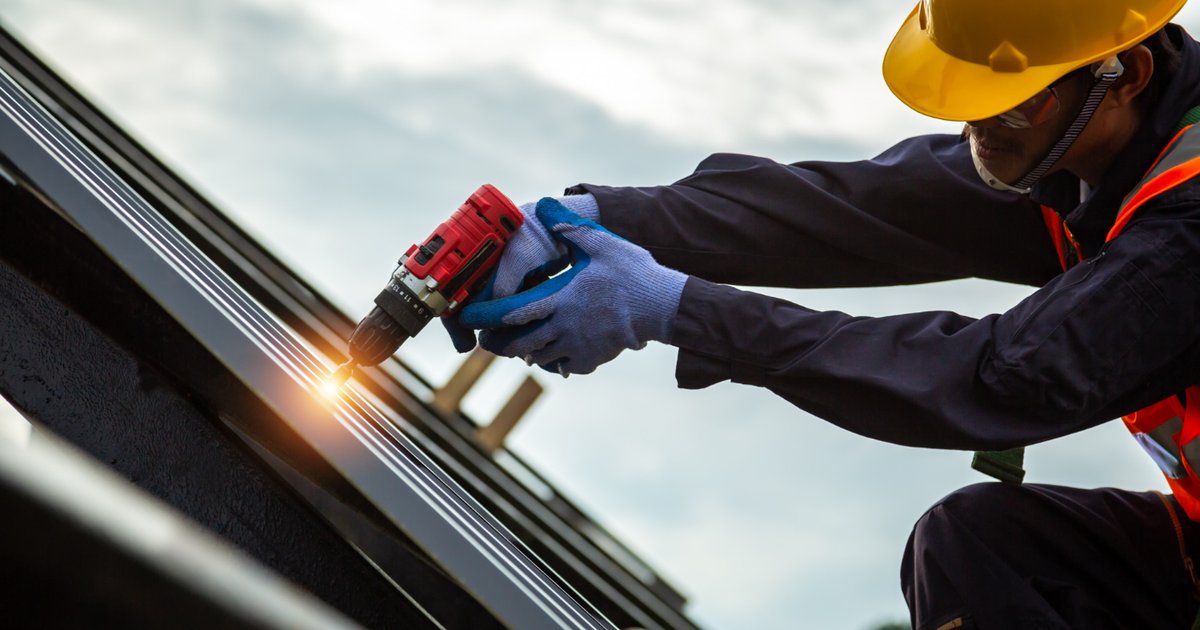
- During the process we can spot broken tiles or early signs of wear and carry out minor roof repairs if needed
Zed Roof Cleaning only uses safe, non-abrasive solutions and always checks for loose tiles or fragile areas before starting. When everything is finished, the surface left behind is much less inviting for moss to return.
Why an early-year roof clean makes sense
Cleaning a roof in February makes good sense. The weather is just starting to shift, and there is still time to act before heavier spring showers test the limits of cracked tiles or shifted slates. Moss does not survive for long on clean tiles, so removing it now delays future regrowth — those who have seen re-growth in years past often find that a professional clean now holds off moss until next winter.