

February can be one of the roughest months for roofs in Nottingham. Cold nights, damp mornings and lingering moisture from months of rain all put extra pressure on ageing tiles. The colder weather doesn’t just leave debris and moss behind — it can weaken roof surfaces in places you can’t easily see.
That’s why this time of year is a good moment to think about roof restoration. If your roof has been through another tough winter, getting ahead of repairs now could keep water out and stop minor damage turning into big problems once spring showers hit.
Common problems found on older Nottingham roofs
Around Nottingham, many homes have older roofs that have stood up to decades of wet seasons and cold snaps. Over the years, roof tiles tend to crack, shift or fall out entirely. Moss can spread in corners where it’s often missed, especially around ridge tiles.
Soft cleaning plays an important role before making repairs. It strips away the moss and build-up that often hides tile damage. Once a roof is clean, we are better able to see what really needs attention:
- Cracked or slipped tiles are harder to spot when moss covers them
- Water can settle in broken mortar lines and freeze, causing more cracks
- A clean surface gives a clearer view of what’s still solid
If these damage points go unchecked, moisture can find its way into the loft space and insulation. Often, the first indoor signs are spots of mould or a musty edge to the air.
What roof restoration involves
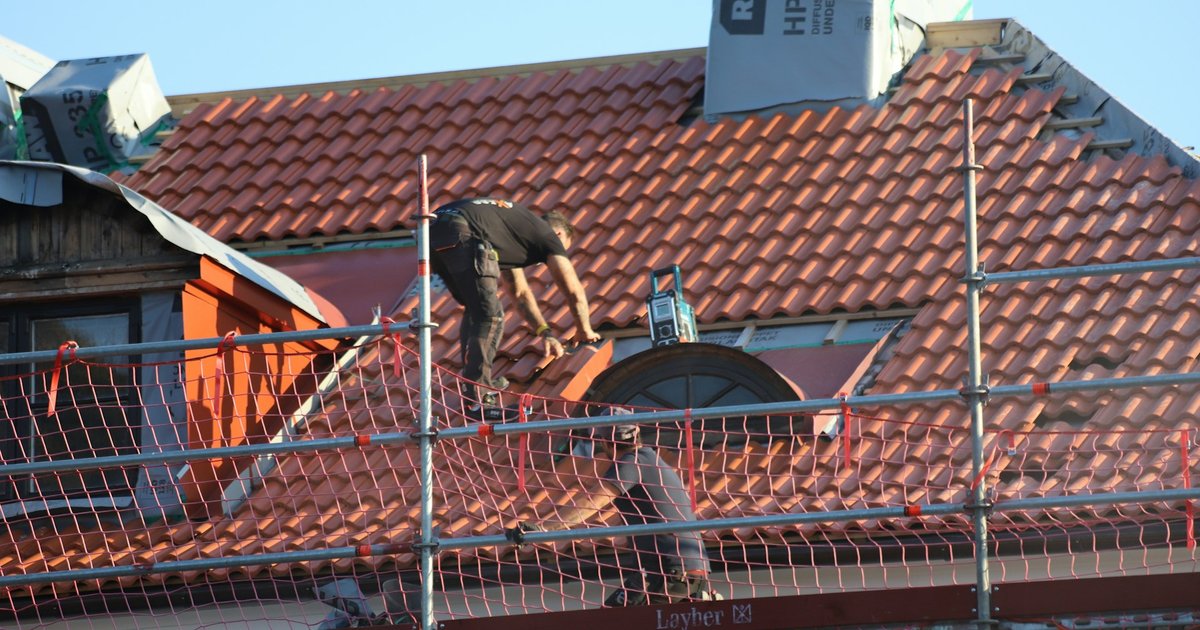
Roof restoration can mean different things depending on what we find after cleaning, but our approach stays careful and low-risk. It starts with clearing debris and moss using soft or steam methods — not harsh jets that can damage older tiles. Once cleaned, we look out for things like:
- Broken or missing tiles that need swapping out
- Ridge tiles that are loose, crumbling or no longer sealed against water
- Lines where older repairs have failed and need re-doing
Quick checks during or after cleaning often uncover small issues that would not be visible from the ground. Sorting those areas now is usually a lot easier than waiting until water finds its way through — and every repair is finished with matching tiles, so the work blends in.
Why February is a smart time to restore your roof
Late winter gives a short but useful window for roof work. The worst of the freeze is often past, but heavy rain has not started up yet. That gap makes it easier to check and fix problems before they become leaks:
- Clean surfaces dry quicker when rain is still light and scattered
- Repairs made now are less likely to be undone by repeat freeze–thaw cycles
- Preventing leaks before spring cuts the risk of longer-term damp patches
Acting early means we are not rushing to fix problems in bad weather, when conditions are worse for both the tiles and the people working on them.
Signs that your roof needs professional attention
Keep an eye out for:
- Moss growing where it was not before, or collecting heavily by gutters and drains
- A row of tiles that seems uneven, with gaps showing underneath
- Early signs in the loft like damp wood, darker insulation or light clustering where tiles have slipped
That faint smell of damp in the attic is often the first thing people notice. Catching problems when they are still small is what keeps them that way.