
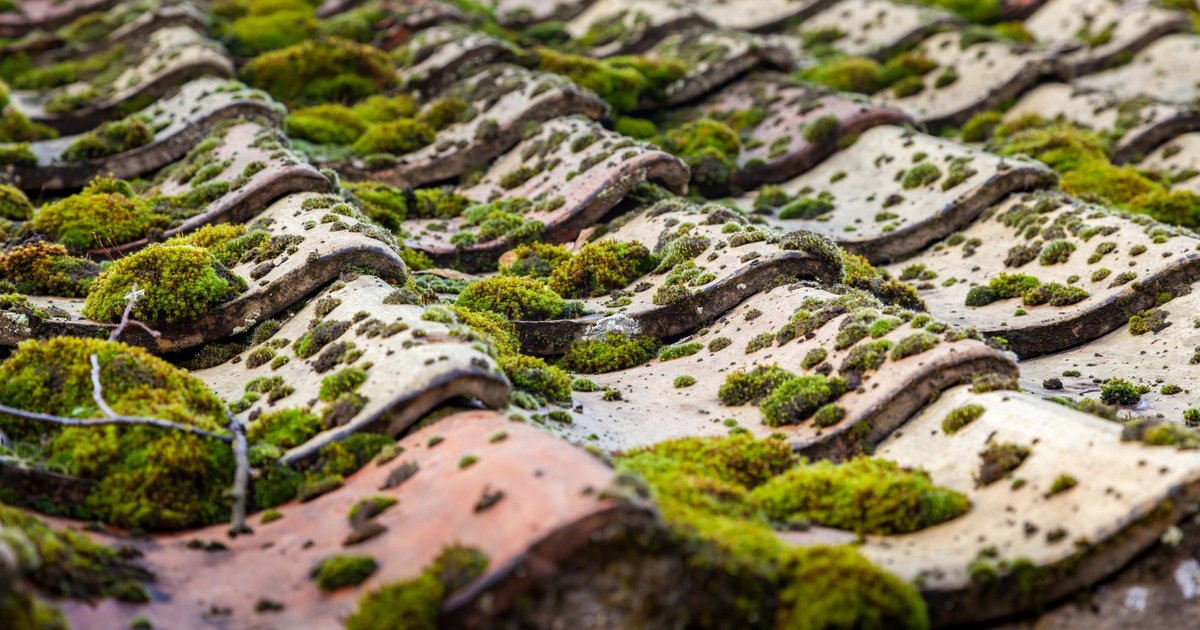
In damp places like Nottingham, moss on roof tiles is something most homeowners will come across sooner or later. It’s not just about how it looks either. Over time, moss holds onto water that can start to wear down roof surfaces, especially as cold weather settles in. With winter on the way, now is a good time for many to start learning about moss removal services and what options are available.
This guide covers the basics, from what causes moss to grow in the first place to the different removal methods you might come across. If you’re not sure what’s safe for your roof or why moss becomes a problem to begin with, we’ll walk you through it in simple steps so you know what to expect.
What Makes Moss a Problem for Nottingham Roofs
Nottingham’s climate often leans wet and cloudy in winter, creating conditions where moss thrives. It usually starts small in shaded spots, but left alone, it spreads quicker than most expect.
The problem isn’t just the look. There are a few real risks that come with moss build-up:
• Moss holds moisture. When it sits on tiles too long, the constant damp can cause the tile surface to wear down over time.
• Plant roots sneak into cracks and edges. As they grow, they push tiles apart or lift them slightly, letting rain get underneath.
• Water trapped under shifted tiles can lead to leaks, which often show up as small damp patches indoors.
Cold weather can make this worse. If trapped water freezes, it expands, making any cracks grow wider. That’s why getting ahead of moss before deep winter takes hold can prevent bigger issues later in the season.
Common Types of Roof Cleaning Methods
When it comes to removing moss, not every method is safe for every roof. Some techniques can do more harm than good, especially on older or more fragile tiles.
We often lean on two roof-friendly approaches:
• Soft cleaning uses low-pressure water and a safe cleaning solution to loosen moss gently. It’s careful enough not to disturb the tiles but still gets rid of built-up growth.
• Steam cleaning works with heat instead of pressure. The warmth lifts moss and dirt without forcing water under the roof surface, which makes it a good fit for more delicate or weather-worn roofs.
One method we avoid is pressure washing. It might seem like a quick fix, but blasting water at full force can crack tiles or strip away their protective surface. Once that finish is gone, tiles won’t hold up as well to rain and frost, which only speeds up damage over time. When choosing a cleaning approach, the goal is to refresh the roof without risking added wear.
At Zed Roof Cleaning, all moss removal work is carried out by hand, using specialist soft wash and steam cleaning systems suited for Nottingham's common tile types. We also apply a specialist biocide treatment to help prevent fast regrowth, which is especially important in the damp winter months.
When Moss Removal Isn’t Enough: What Roof Restoration Can Fix
Removing moss helps, but sometimes a deeper repair is needed, especially if growth has been sitting there for years. That’s where roof restoration comes in.
We look for a few signs that something more than cleaning is needed:
• Tiles that are cracked, broken, or loose after the moss is removed
• Patches that remain damp for days even after dry weather
• Areas where water pools or drains off in the wrong direction
When this happens, restoring the roof can include changes that go beyond cleaning. We may need to replace broken tiles, re-level sections where tiles have slipped, or smooth out drainage problems that lead to persistent damp. It’s not just about getting the moss off. It’s about making sure the roof can keep water out through heavy winter rain and frost.
We commonly recommend our protective roof coatings as part of the restoration for older Nottingham roofs. These coatings help extend roof lifespan and restore visual appeal, improving resilience against future moss and algae growth.
Finding Trusted Help in Nottingham
Picking someone to clean or restore your roof isn’t something most people do often, so it can be hard to know who to trust. We always suggest looking for signs of local experience, someone who’s worked with the same types of roofs found in Nottingham homes and knows how our weather affects older tiles.
One smart place to look is Checkatrade. A lot of our work comes through there because homeowners like seeing real reviews and photos from nearby projects. It shows what to expect and helps narrow down who’s actually worked in the area before.
When speaking to someone, you can ask about the methods they use, how they clean, and what they’d do if they find slipped or cracked tiles after the moss is removed. A clear and simple answer is often a good sign they know what they’re doing.
Moss Removal: The Key to a Resilient Roof This Winter
As we head into the colder weeks, the roofs around Nottingham have a lot to deal with, rain, frost, and long stretches without full sunlight. Having moss still clinging to the tiles during winter only makes things tougher. It keeps things wetter, longer, and that raises the chance of leaks or broken tiles.
The best time to address roof moss is before things freeze over. A clean, dry surface stands up better to cold snaps than one that’s been wet for weeks. Roofs don’t need constant work, but a regular clean every so often, paired with a check for damage, can keep unwanted repairs from showing up later.
If your roof hasn’t been looked at in a while or you’ve spotted green patches from the garden path, it might be time to take a closer look. A small clean now may save you from dealing with bigger problems when the winter storms move in. Don’t wait until water starts coming through the ceiling to find out what’s sitting on the roof tiles.
Moss can quickly take over roofs in Nottingham during the winter, leading to damp tiles, leaks, and more serious issues if left untreated. We help homeowners across the city stay ahead of these problems with safe, seasonal solutions. To learn more about our moss removal services, take a look at how we work.