

When it comes to cleaning the outside of your home, not all methods are equal. Pressure washing and soft washing might both get things looking better, but they work very differently. Picking the right one doesn’t just affect how clean your surfaces look — it can help keep them in good condition through the seasons too.
In places like Nottingham, winter often leaves behind layers of grime, moss on rooftops and green streaks on patio stones. That means timing and technique matter more than ever. Knowing when to use pressure and when to take a gentler approach helps protect the parts of your home that are more delicate, especially things like tiled roofs and painted walls.
Which surfaces handle pressure washing well?
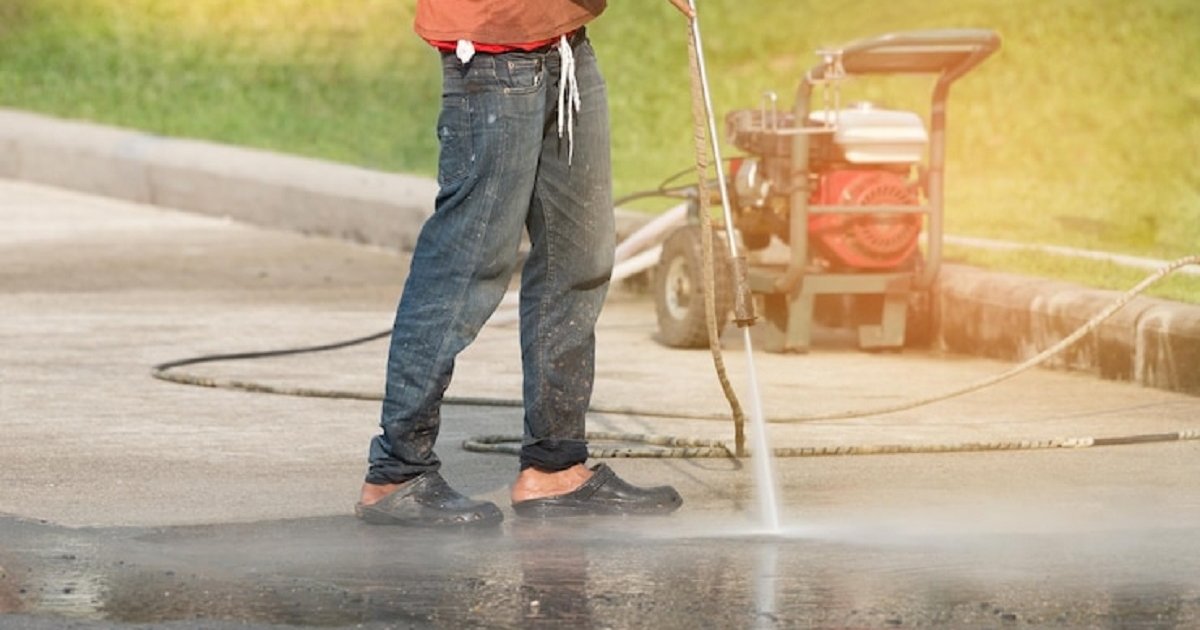
Pressure washing works by blasting out water at high force. That makes it useful for areas that need a deep scrub, especially hard materials like concrete driveways, stone-paved patios and brick surfaces without coatings. Because these heavy-duty surfaces are less likely to be damaged, pressure washing can lift dirt, moss and stuck-on grime fairly quickly.
That said, not everything holds up well under that much force. Older patios with worn stone, cracks or failing grout can take a beating. The same goes for painted masonry or decorative stonework around garden walls. And roofs, for instance, should not be cleaned with high-pressure water at all — the tiles can lift or crack, and that can lead to leaks.
Soft washing: a gentler approach that works
Unlike pressure washing, soft washing uses low-pressure water combined with cleaning solutions. That makes it much kinder on surfaces like render, older stonework or painted exterior walls — and it is especially good for rooftops.
Soft washing breaks down things like moss, algae and mould, which are common in damp winter climates. By allowing the cleaner to do the work instead of pressure, it avoids the risks that come with regular washing methods. It treats the problem from the root, not just the surface, which means it helps stop the moss from coming back as quickly.
Why roof cleaning needs a different touch
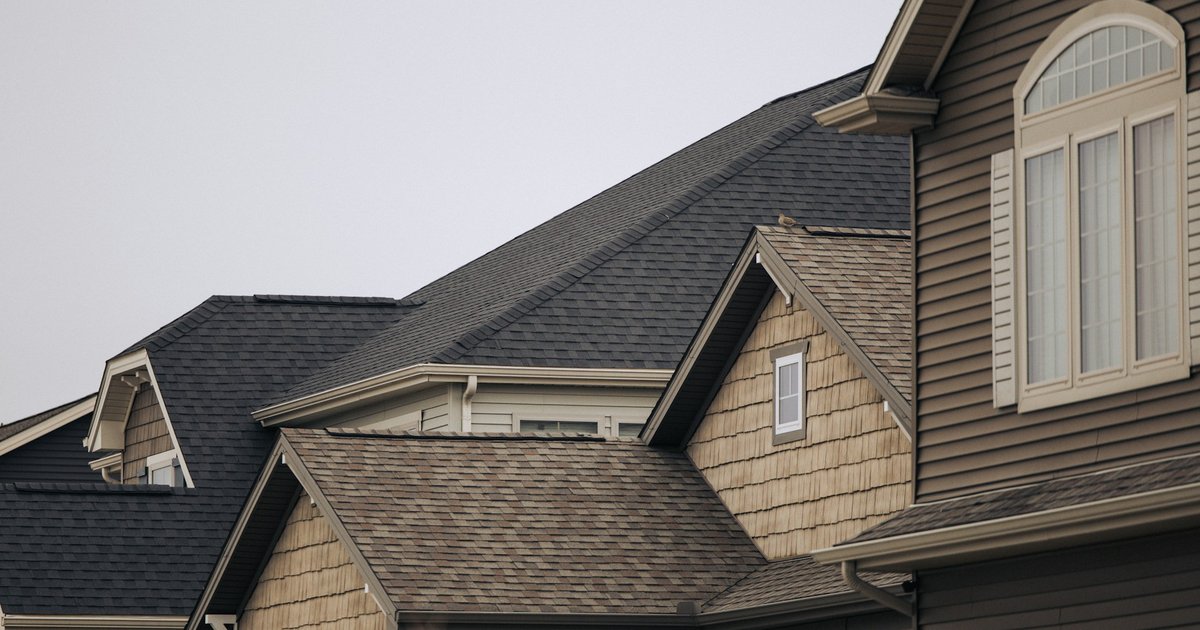
Roofs are different from driveways or patios. They have layers, slopes and tile joints that can loosen under too much pressure. When moss builds up, it doesn’t just look messy — it holds water against the tile surface, which makes cracking more likely once temperatures drop.
That’s where a softer cleaning method becomes important. Soft cleaning works better, lifting off moss while keeping the surface intact. For even deeper issues, steam cleaning can help strip off grime without adding strain to the tiles. And because we treat the roof gently, we are able to spot and fix problems — like broken or missing tiles — before they turn into bigger ones.
What to consider before cleaning
Picking how to clean your home’s exterior isn’t always obvious. In areas with older brick homes or traditional tiled roofs, blasting things with high-pressure water is not a good idea — it can do more harm than good. A damp stone wall might only need a soft clean to stop more green patches from coming back. A roof spotted with moss will always benefit from a careful clean instead of a powerful spray.
Long-term results and roof protection
Pressure washing might seem like a fast way to clean driveways and paths, especially if they’re tough enough to take that level of force. When it comes to roofs, delicate stone or anything already showing signs of wear, soft washing is usually the better route — it prevents damage, clears away moss safely and helps the surface stay sound through changeable weather. We also offer protective sealing as part of our service, helping to extend the life of your roof once it is clean.