

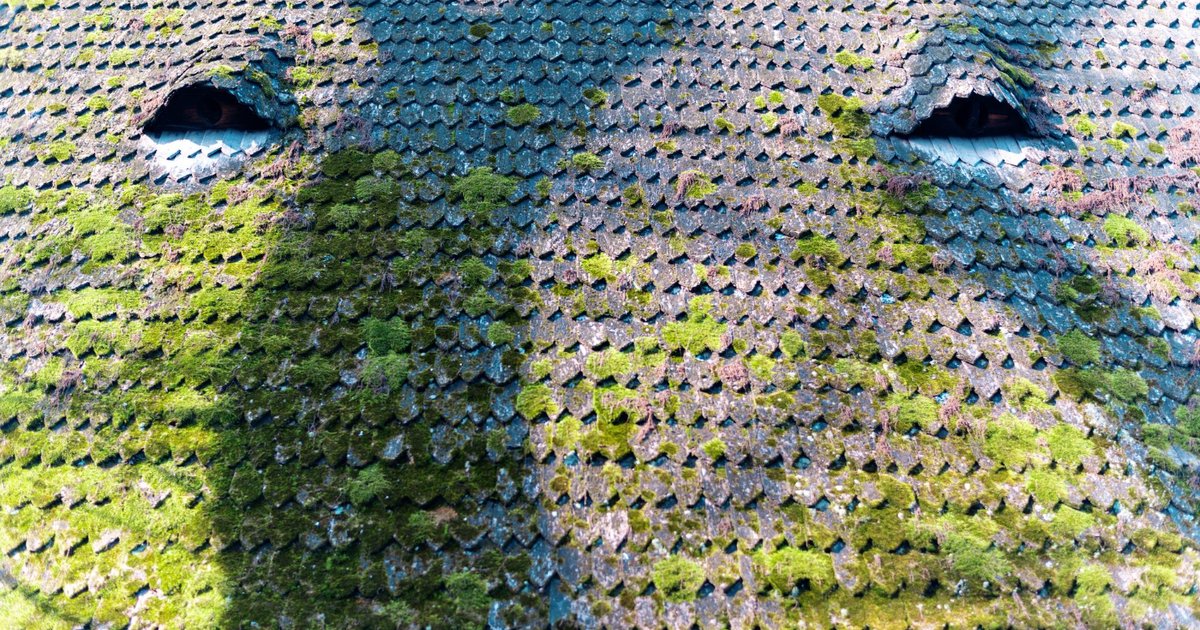
Autumn in Nottingham can be a lovely time, but it also brings cooler air, damp conditions, and falling leaves. That’s when a lot of homeowners start noticing moss building up on their roofs. If your roof has been holding onto green patches all year, a proper clean before winter can help prevent bigger problems down the road.
A roof moss treatment in Nottingham is more than just a tidy-up. It’s a full process that helps stop the spread of moss and can keep roofs stronger for longer. In older neighbourhoods where houses sit under large trees or close together, moss buildup can happen quickly. That damp, leafy shade creates the perfect spot for it.
We often get asked what actually happens during a moss treatment, especially around this time of year. Here’s how the process works from start to finish and why it’s a good idea as the cold, wet season begins to set in.
Checking the Roof and Surrounding Area
The first step is always a careful look around. Before any moss gets removed, we make sure we know what we’re working with. Every roof is different depending on age, tile type, and how much tree cover surrounds the home. That's especially true in Nottingham where many houses still have traditional tiled or slate roofs.
We check a few key things:
- Where is the moss growing and how thick is it?
- Are there signs of tile wear, cracking, or movement under the moss?
- Are nearby trees or shaded buildings making it harder for the roof to dry out?
That quick inspection gives us a better sense of what’s going on under the surface. In some spots, the moss might just be sitting on top. In others, it may be growing deep in tile overlaps, holding moisture longer than it should.
This step helps us plan safe moss removal without doing more damage. It also gives us a chance to spot any signs of trouble before they turn into leaks during winter rains.
Moss Removal and Surface Prep
Once we know what we’re facing, the actual moss removal begins. This part is careful work. We avoid high-pressure water that could break or loosen fragile tiles, especially on older roofs found across Nottingham. Instead, we use simple tools and gentle brushing methods. The moss is lifted by hand or soft brush rather than blasted away.
The aim isn’t just to get rid of the visible green. It’s to clear everything back so we can properly inspect the surface underneath. Moss can cling underneath tile edges and in awkward corners where water likes to sit. Once it’s gone, we take time to sweep away the loose bits, making sure nothing is left to rot between the joints or settle in cracks.
This surface prep matters. It sets the stage for the rest of the treatment and helps avoid regrowth. If done well, it gives the roof a chance to breathe again.
For jobs in Nottingham, soft washing is recommended to protect roof tiles during the cleaning process and help reduce the risk of chips or accidental cracks.
Spotting and Replacing Damaged Tiles
After the moss is cleared away, that’s when any hidden damage usually comes to light. Moss has a habit of hiding cracks, slipped tiles, or corners that have shifted out of place. On houses in Nottingham where roofs have been through years of damp weather, wear and tear often shows up in small gaps or worn edges.
We look closely at every area, especially where the roofline meets ridges or slopes. Any tile that’s cracked or missing gets flagged for replacement. Fixing these spots early helps stop leaks from starting when the cold rain moves in this autumn.
This part of the work is all about the roof’s long-term condition. Restoring broken tiles means water won’t sneak through and weaken the layers underneath. If left untouched, what starts as a hairline break can turn into a much bigger headache during winter storms.
Roof restoration after moss removal can include replacing loose, damaged, or badly worn tiles to keep the roof fully sealed against further weather.
Applying a Biocide Treatment
With the moss gone and tiles checked, the next step is applying a treatment that helps stop the moss from coming back. A biocide solution goes across the full surface of the roof. It works slowly over time to kill off any tiny spores or roots left behind.
Even roofs that look clean can still have moss trying to grow back in the cracks or in areas we can’t easily reach. The treatment seeps into those places and helps break the regrowth cycle. This part doesn’t give instant results, but that’s the point. Unlike strong cleaners that can damage tiles, biocide works gently over weeks, making it harder for moss to return once cooler weather settles in.
Doing this step in October gives the treatment time to take effect before winter gets wetter. By the time spring arrives, the roof is clearer and better protected from build-up.
Viewing Long-Term Effects and Results
Some homeowners expect their roof to look totally different right after moss removal. But the biggest changes usually appear over time. In the first few weeks after treatment, you may notice the tiles look less stained and the green patches stay gone. That’s a good sign the biocide is doing its work.
Over the next few months, especially through a full winter and spring, there’s noticeably less dark streaking or fresh moss patches. The roof stays drier and more even in colour. In drier spells, water slides off tiles more easily since there’s less growth holding it back.
One of the best results is peace of mind. Without moss trapping water or lifting tiles, the roof holds up better in changing seasons. That’s a big help in Nottingham where cooler, damp months can really test older tile surfaces.
Clean Roof, Safer Home This Autumn
A proper moss treatment does more than tidy things up. It helps, but the real benefit is stopping deeper moisture problems before they're anything serious. Autumn is the perfect time to do this kind of work, especially in Nottingham where wet weather often hits early and hangs around.
By getting moss removed and your roof checked before the worst of the cold sets in, you make it easier to avoid leaks, missing tiles, and expensive fixes down the line. The treatment might not look dramatic at first, but over time it protects the home above your head from the kind of wear that’s harder to spot until it’s too late.
For anyone with an older roof or heavy moss growth already in place, autumn brings a small window to take action while the weather still allows.
Roof moss has a way of coming back stronger each year, especially once autumn hits in shaded areas around Nottingham. A proper clean and early treatment can help stop that build-up before it causes real damage. At Zed Roof Cleaning, we’ve seen how much better roof tiles hold up through winter when they’re cleared and protected in time. Learn more about how our roof moss treatment in Nottingham can help you stay ahead of the cold.