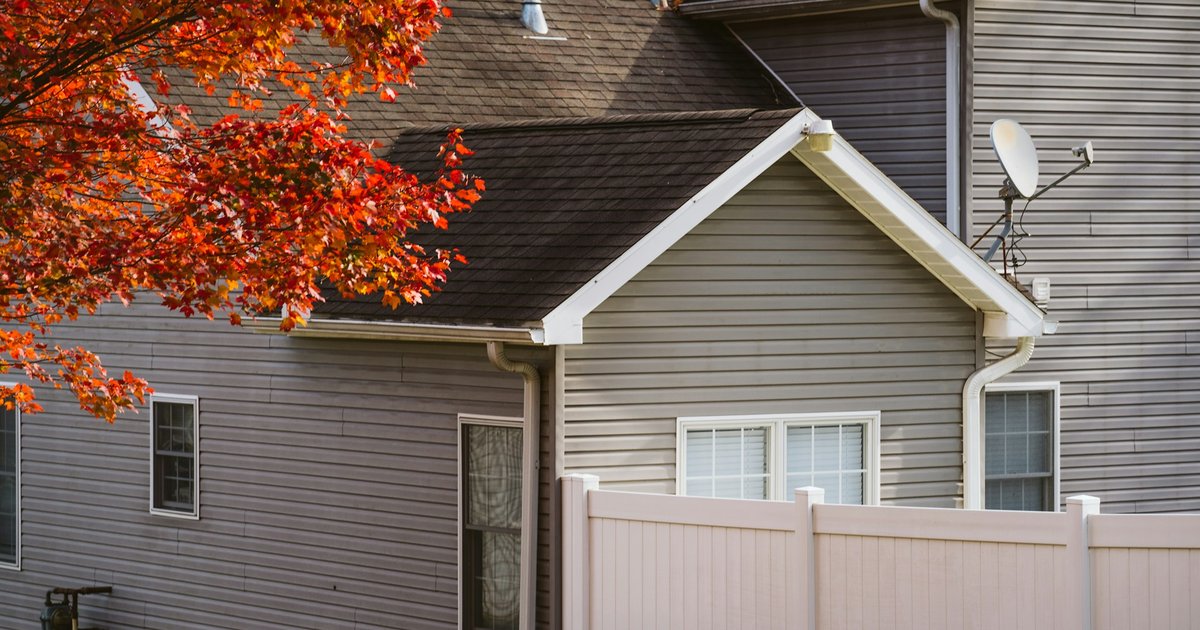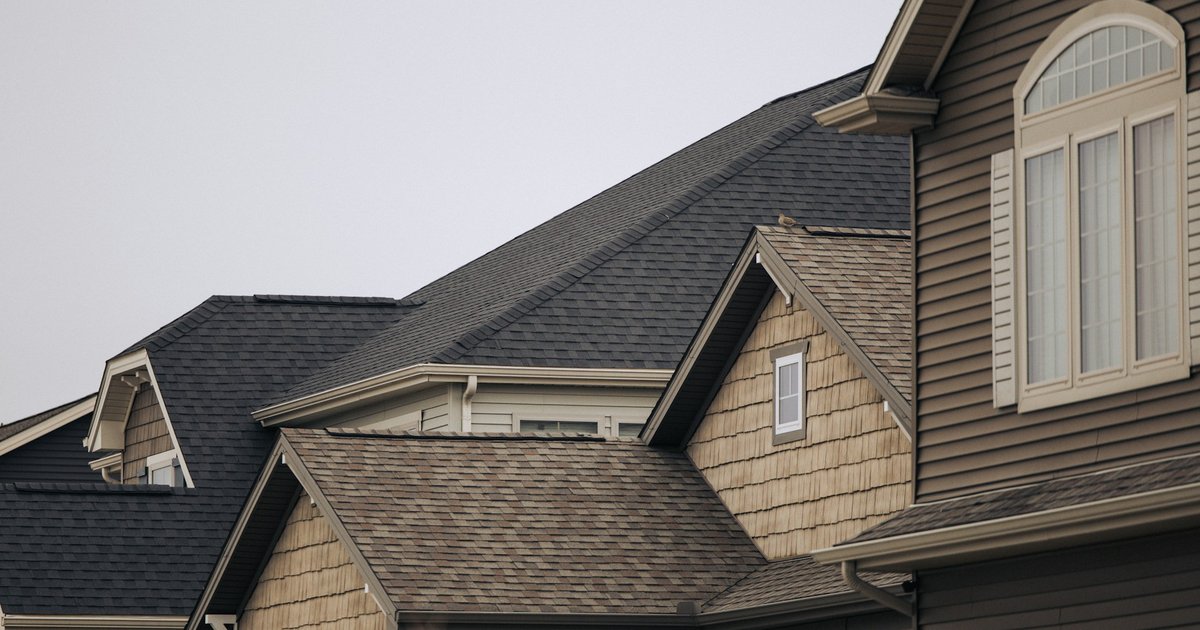



Winter can be rough on any home, but Nottingham roofs take the brunt of it. Cold nights, damp days and steady rainfall start to wear away at the tiles, especially on older houses. What seemed like a small crack in autumn might now be letting in water, and moss that took hold in summer is now clinging tight, keeping surfaces damp longer than they should be.
That’s where roof restoration comes in. It isn’t just about cleaning away grime — it’s about finding those weak points before they get worse. For those of us who live locally, roof restoration in Nottingham means keeping homes dry, safe and warm right through to spring.
What winter does to roofs in Nottingham
Once temperatures drop below freezing, everything changes. Roofs go through daily cycles of freezing and thawing, and that puts stress on areas where tiles might already be cracked or loose. Over time, that repeated pressure causes small gaps to widen or tiles to shift slightly — just enough for water to get in.
- Moss keeps roof surfaces wet for longer, speeding up deterioration
- Loose or broken tiles let in more water, which can lead to leaks
- Strong winds and rain work away at weak points during winter storms
Over the months, all of these things build on each other. By the end of winter, something that looked like cosmetic wear might have started allowing water inside the loft or beneath the tiles.
Why restoration matters more than a quick fix
Cleaning dirt and moss helps, but it doesn’t fix the real trouble underneath. A surface clean alone won’t stop a cracked tile from shifting during a freeze or keep water from finding its way under a broken ridge.
That’s why full roof restoration is better than a quick sweep. It gets to the root of the problem. We look for damage that might not be visible from the ground — things like hairline cracks or slipping tiles — and sort them before they begin to affect the rest of the structure:
- Broken or missing tiles are replaced to stop moisture getting in
- Moss is removed properly, not just brushed off
- Weak areas get shored up so the roof holds strong through harsher weather
How we restore roofs without risking more damage
When a roof is already fragile, cleaning it the wrong way can do more harm than good. That’s why we work gently, with soft washing and steam cleaning — methods that clear out moss and dirt without high pressure or rough handling. We always assess the roof’s condition before starting work and only use safe cleaning products that will not harm your tiles or their protective coatings.
The goal is to leave the roof in better shape, not just cleaner. Especially with older properties that have already made it through enough storms, the last thing you want to do is stress the material even more.
When to act (and what signs to look for)
Most homeowners don’t climb up for a look, so we rely on signs we can see from the ground or inside the house:
- Dark patches or streaks on the roof
- Moss falling to the ground after heavy rain or wind
- Tiles that appear loose, shifted or out of place
- Damp marks on upper ceilings or attic walls
Winter restoration can be done safely and avoids the scramble when things get worse a few months down the line.